NotesFictionEdition 54 min read
We Worship What We Outlaw
We draw a bright line between what is natural and what is made, and treat one as sacred and the other as suspect. This is the book that keeps asking whether the line was ever real. On the hubris hiding on both sides of it, and the novel that became Hubris Rising.
Somewhere very early, we learned to trust what grows and distrust what is built.
Natural is a word we use to bless things. We pay more for it. We put it on labels and feel calmer. Synthetic, artificial, engineered: those are the words we reach for when we want to warn each other. The instinct runs so deep it feels less like an opinion than a sense of smell. What came from the ground is clean. What came from a lab needs watching.
That instinct is older than any of our reasons for it, and it has never held up especially well to inspection. Philosophers have a tidy name for the mistake, the appeal to nature: the assumption that because something is natural it must be good, and because something is made it must be suspect. We commit it constantly. We trust “natural” immunity and distrust the vaccine that produces the same antibodies by a shorter road. We put a warning label on a genetically modified tomato and shelve it beside grapefruit and barley whose ancestors were made by dosing seeds with radiation until their genes scrambled at random, a technique quietly grandfathered in as conventional, sometimes even certified organic. The plant changed by luck and a gamma source is natural. The plant changed by a single deliberate edit is the monster.
The line is doing enormous moral work that the chemistry underneath it cannot support.
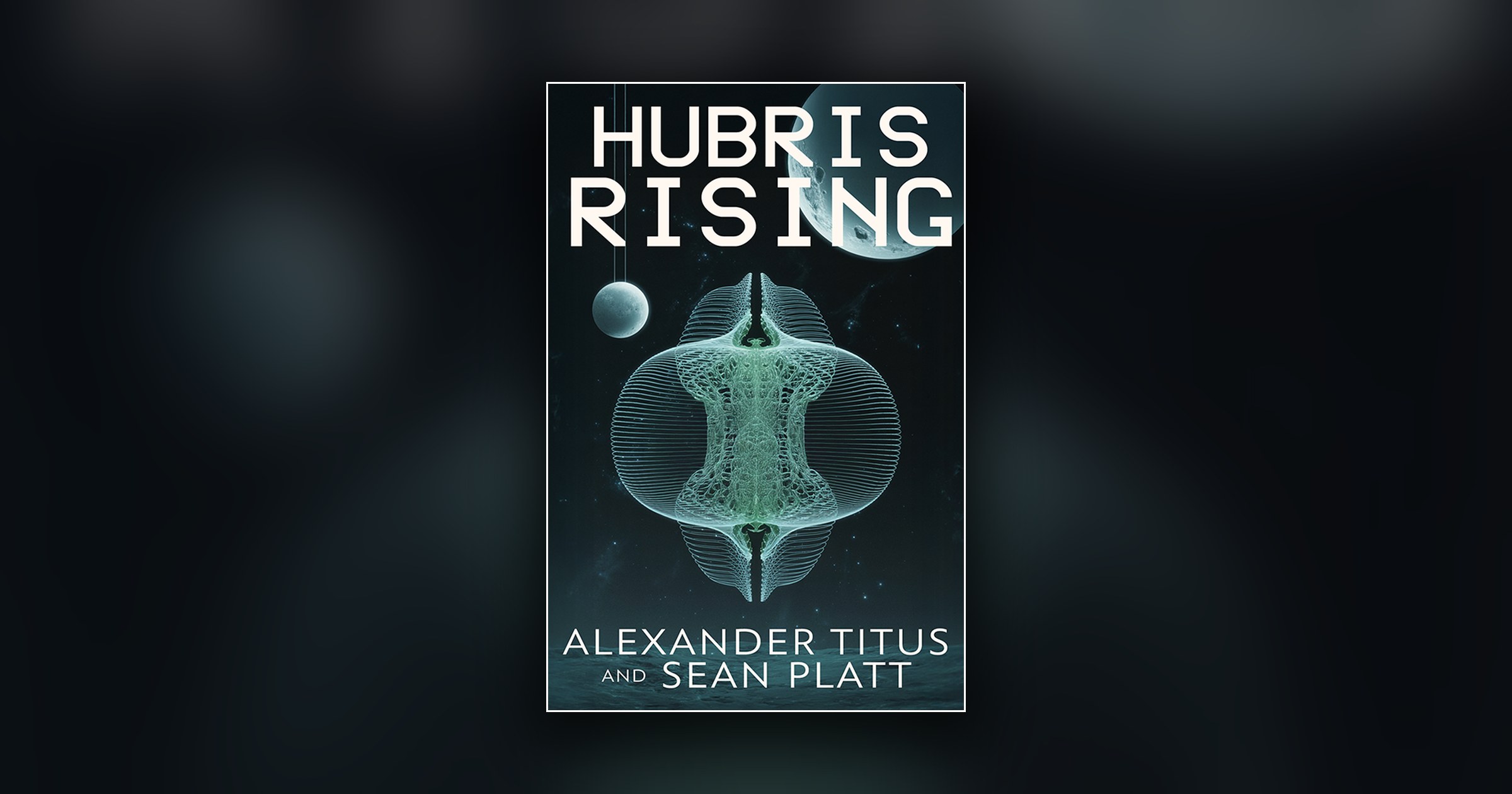
Hubris Rising is the book where Sean and I put that line under a microscope and let two teenagers fall in love across it.
One of them was born able to breathe an air that should kill him. To the purity cult that raised him, this makes him a miracle, living proof that a higher power meant for humans to live on this world exactly as they are. They call the thing in his blood a divine gift and they build a whole life for him out of it: sacred, set apart, less a boy than a relic with a pulse. The other can breathe the same air because her mother arranged it, carefully, one edit at a time. To that same cult she is not a miracle. She is contamination.
They are, at the level of the body, nearly the same answer to the same problem. One arrived by chance and one by design, and the entire world around them has decided that the difference between chance and design is the difference between holy and profane. The book keeps pressing on that decision until you can start to see through it. When the gift from above and the thing from the lab come out looking identical, the only thing left holding them apart is the story people tell about where each one came from, and the story is the part they are willing to hurt each other over.
The title is a warning, and the trap is assuming it points only at the scientists. Hubris is not the private sin of the people who edit. It belongs just as much to the people who are certain they already know where the sacred ends and the profane begins, and who are ready to sort everyone they love onto one side of that line or the other. The engineers in this book overreach, and some of them know it. The purists overreach while insisting they are the only ones with clean hands. The real hubris, on every side, is the certainty.
And the person who pays for all of it is a boy who is a miracle, because a miracle is not allowed to also be a person with wants of his own. The most dangerous question anyone asks in the entire novel is not about genetics at all. It is someone finally asking him what he wants. You cannot own a sacred object once it starts answering that.
We are already living inside this argument, mostly without noticing we drew the map. We call one immunity natural and another interference and forget they end in the same antibody. We revere a crop scrambled by radiation and fear one corrected by a scalpel. We are about to spend a generation deciding which changes to a human being count as healing and which count as hubris, and we will make most of those calls with our sense of smell, blessing the edits that feel natural and recoiling from the ones that feel made, long before we check whether the distinction survives contact with the actual biology.
Hubris Rising does not tell you the line is meaningless. People need somewhere to stand, and a world with no lines at all is its own kind of horror.
It just shows you that wherever you decide to draw it, someone worth loving ends up on the wrong side, and the confidence with which you drew it is the first thing that should make you nervous.
Hubris Rising is Book Two of Echoes of Tomorrow, by Alexander Titus and Sean Platt.