Notes
LatestFictionEdition 9
Evolution Lost Its Monopoly
Every creation story I grew up with had a creator. Then we became one. What Echoes of Tomorrow is really about, one year after Synthetic Eden.
Read the latest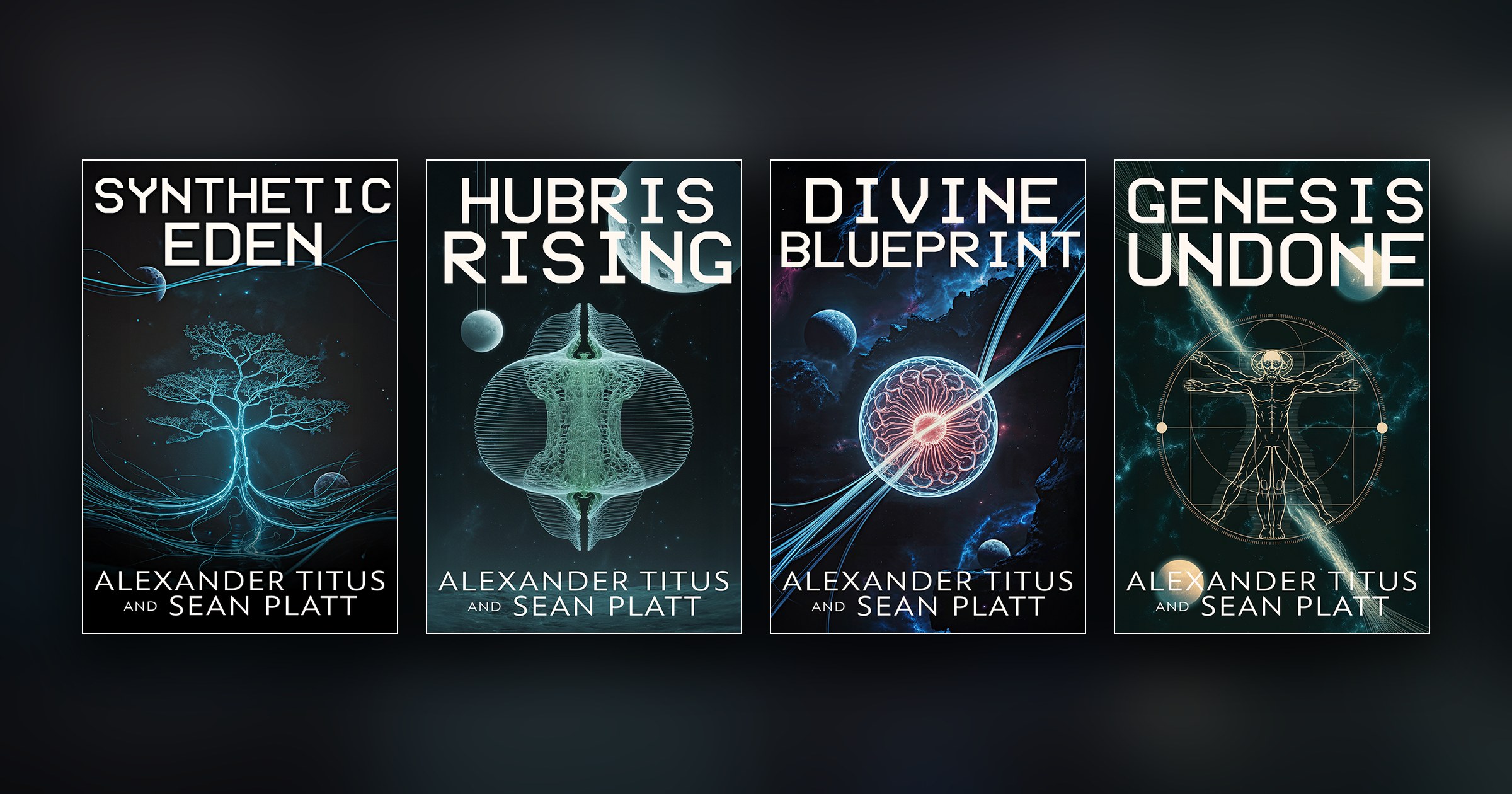
More writing
Government Is the Weak Link
A bipartisan commission spent two years on the biggest threat to American biotechnology and decided it wasn't a lab in China. It was us. On the report I signed, and the future it's built to prevent.
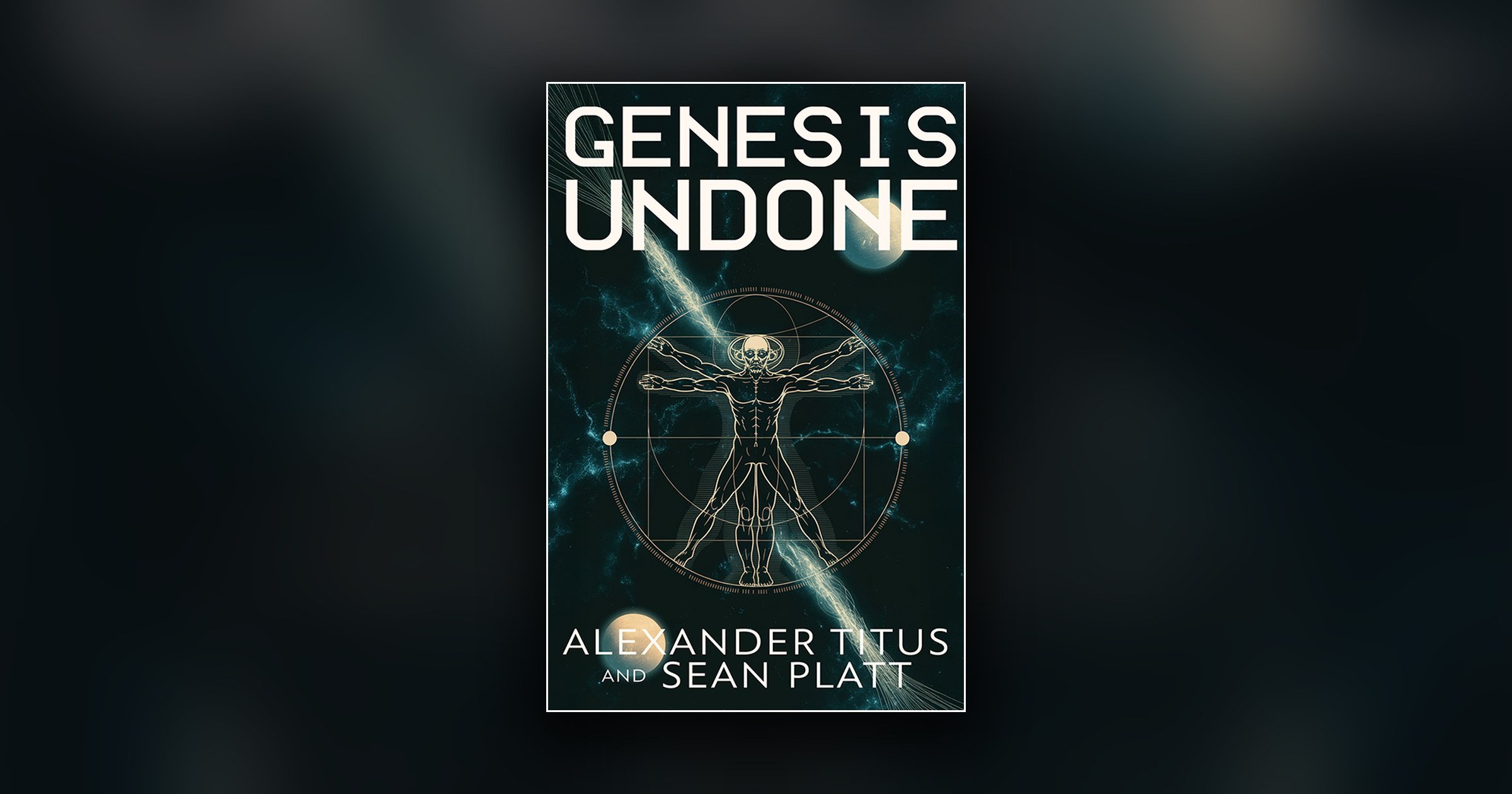
A Tool Has No Conscience
For a century we have argued about technology as if the only options were to worship it or to smash it. The finale says both are a way of refusing to grow up. On tools, weapons, and who you have to become to tell them apart, in the book that became Genesis Undone.
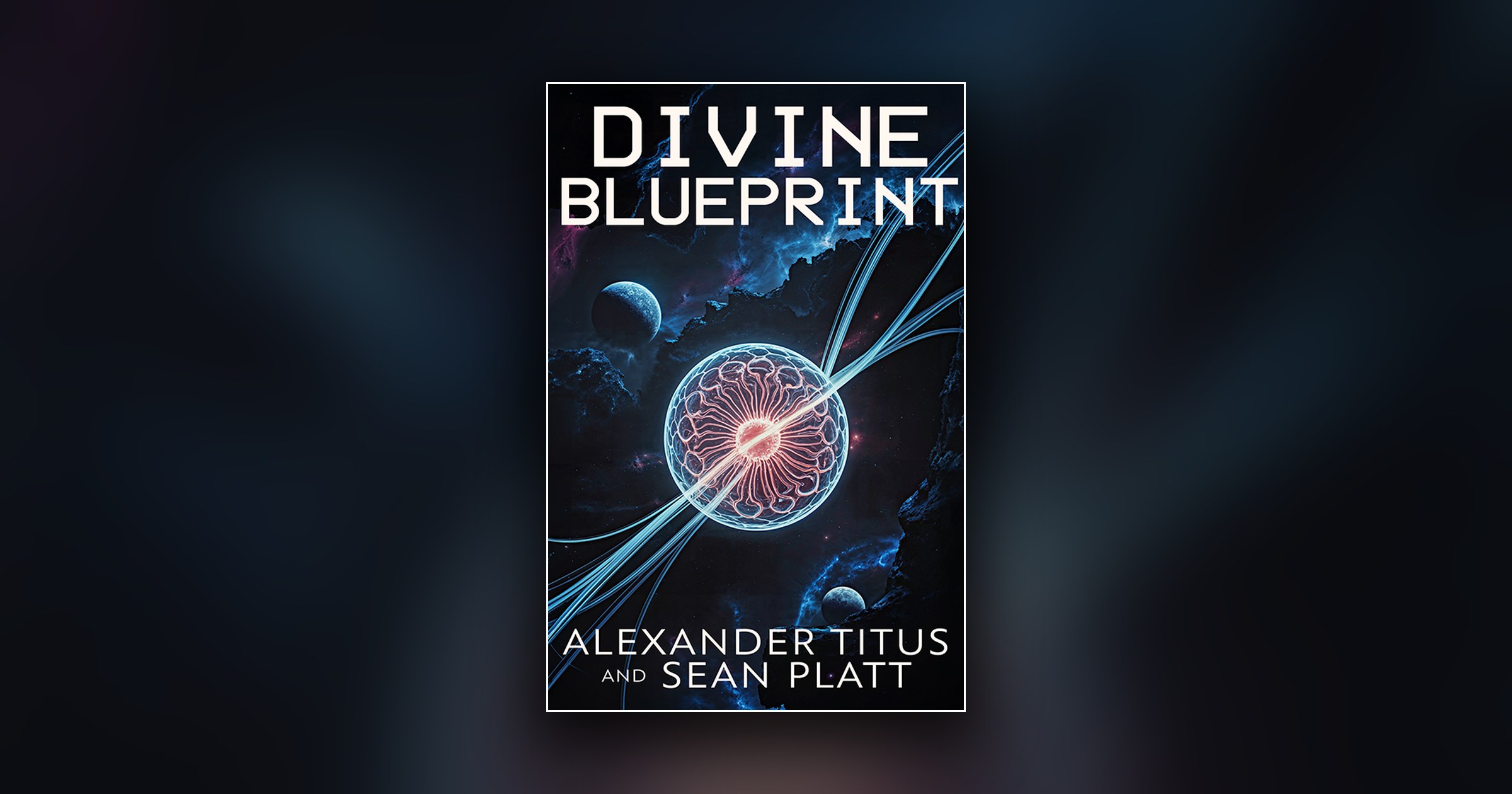
Nobody Saves You for Free
The oldest bargain there is. Someone arrives to save you, and you are too grateful to ask what it will cost. On rescue, dependence, and the questions gratitude talks us out of, in the book that became Divine Blueprint.
We Worship What We Outlaw
We draw a bright line between what is natural and what is made, and treat one as sacred and the other as suspect. This is the book that keeps asking whether the line was ever real. On the hubris hiding on both sides of it, and the novel that became Hubris Rising.
We Ran Out of World to Change
Every survival story our species ever told was about changing the world to fit us. Then we found a world that would not bend. On the first edit that changed us instead, and the book that became Synthetic Eden.
A Design Is Not a Pathogen
The fear is that a chatbot now hands anyone a recipe for a pandemic. I helped write the National Academies study that asked the narrower, harder question — how much AI actually changes the risk — and then measured it.
The Doomsday Nobody Discusses
The Senate convened a forum on AI doomsday scenarios and asked me to testify. The most useful thing I could do in that room was name the one that wasn't on the list — the disaster where fear does the killing.
Build the Conscience In
We test AI the way we test a fortress — attack it, then defend it. A few years ago Adam Russell and I argued that's only two-thirds of the job, and named the missing third.